
50+ years of research. 7+ countries. Dozens of clinical trials. A deeper layer of suncare.
The science behind what European dermatologists have recommended alongside sunscreen for over a decade.
Plant-based carotenoids that build UV resilience from within — and give your skin a natural warm tone that people notice.

Love the sun? A 20-year study of 29,518 women linked regular sun exposure to 38% greater longevity.
Fear the sun? Research suggests 90% of visible skin aging comes from UV exposure.
Both are true. And the research is shifting.
For decades, the answer was simple: avoid the sun, wear SPF, stay indoors. But we now spend 90% of our lives inside — and sun avoidance carries its own health risks. Meanwhile, even the best sunscreen lets UV through. It breaks down in 2 hours. Most people apply half what they need.
Avoiding the sun isn’t the answer. But meeting it unprotected isn’t either.
For over a century, plant carotenoids have helped people meet the sun well. They deposit into skin tissue over weeks, building resilience from within — a deeper layer of care that SPF alone can’t provide. And they give your skin a natural warm tone that people notice.
This is daily photonutrition.
Lindqvist et al., Journal of Internal Medicine, 2014 · World Health Organization · U.S. Environmental Protection Agency
5 Reasons This Matters
What both sides of the sun debate aren’t telling you.
90% of visible aging isn’t from getting older.
Research suggests up to 90% of visible skin aging — wrinkles, dark spots, loss of firmness — may be attributed to cumulative UV exposure rather than age itself. This process is called photoaging. It happens to people who wear sunscreen too — just slower. UVA penetrates glass, most people apply half the recommended SPF, and 80% of lifetime UV exposure is incidental.
World Health Organization
90% of your life is spent indoors. Your body wasn’t designed for this.
Americans spend approximately 90% of their time inside buildings or vehicles. Time outdoors has dropped 14% since the 1970s. Screen time averages 7+ hours a day. Nearly two-thirds of Americans are vitamin D deficient. Your body evolved under open sky. It’s getting fluorescent light instead. The health costs — disrupted sleep, cardiovascular risk, mood disorders — are measurable.
U.S. Environmental Protection Agency · NHANES data
Sunlight triggers beta-endorphins in your skin.
UV exposure triggers the production of beta-endorphins — compounds associated with mood elevation and well-being. Research published in Cell and covered by Harvard Medical School found this creates a measurable response. That contentment you feel in the sun isn’t imagined — it’s your skin producing its own feel-good chemistry. Your body is designed to seek sunlight.
Cell, 2014 · Harvard Medical School
Even the best sunscreen lets UV through. This supports the inside.
Your skin needs support deeper — in the dermis, where UV generates oxidative stress and breaks down collagen. Not all antioxidants are built for this. Carotenoids are. In nature, they exist for one reason: to protect plants from UV damage. The same molecular structure that gives tomatoes and algae their color neutralizes UV free radicals in your skin. They’re fat-soluble — they deposit into your skin’s layers and stay there. This isn’t a general wellness supplement. It’s targeted nutrition for sun exposure.
Your skin type affects how you respond to UV. Every skin type benefits from internal support.
In France, Spain, and Germany, oral photoprotection sits next to the sunscreen in every pharmacy. Doctors routinely recommend it alongside SPF. 50+ years of peer-reviewed research. Dozens of clinical trials across 7+ countries. Most American women have never heard of this category. But every skin type — from fair to deep — benefits from internal antioxidant support, just like every skin type benefits from SPF.
Leading voices on why we need the sun — responsibly.
The science is clear: both excessive sun exposure and complete avoidance are harmful. The answer is meeting sunlight better.

“The Dangerous Lie About Sunlight”
Dr. Roger Seheult · Diary of a CEO, 2025

“How to Improve Skin Health”
Andrew Huberman · Huberman Lab, 2024
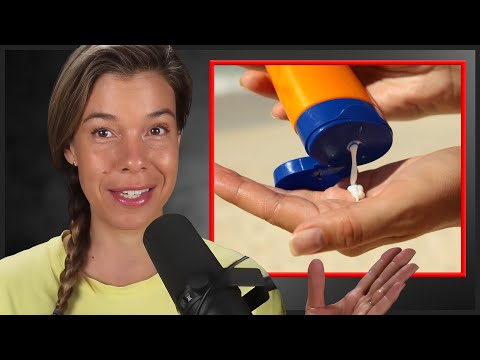
“What You Should Know About Sunscreen”
Dr. Rhonda Patrick · FoundMyFitness, 2024
5 Compounds. 1 Daily Ritual.
Most people who want comprehensive carotenoid support buy five separate bottles. Each at clinical doses, each from a different brand.
Research shows multiple carotenoids at lower doses outperform a single megadose ingredient — with better safety and broader coverage across skin layers. No L-tyrosine. No copper. No preformed retinol. Only 2 inactive ingredients.
Real people. Real results.
Both sides are true. Now there’s an answer.
Five clinically studied compounds. Cold-processed. 100% beta-carotene. Built for people who love the sun and care about their health.
Try GLOW — 40% Off First MonthBRONZEBODY®
For people who love the sun and care about their health.
These statements have not been evaluated by the Food and Drug Administration. This product is not intended to diagnose, treat, cure, or prevent any disease. GLOW is not a sunscreen and does not replace topical UV protection.
© 2026 Bronzebody LLC · Los Angeles, CA